
As the seasons change in Winston-Salem, NC, your home and business security needs change too. Temperature fluctuations, humidity, and weather conditions can significantly impact the performance and longevity of your locks and security systems. Just as you maintain your HVAC system or change your smoke detector batteries seasonally, your locks deserve the same attention to ensure they continue protecting what matters most. At Davis Locksmith of WS, we've been serving the Winston-Salem community for years, and we've seen firsthand how proper seasonal maintenance can prevent lockouts, extend the life of your hardware, and maintain optimal security. In this comprehensive guide, we'll walk you through essential locksmith maintenance tasks for every season, helping you avoid costly repairs and security vulnerabilities throughout the year.
Why Seasonal Lock Maintenance Matters
Many homeowners and business owners overlook their locks until something goes wrong—a key breaks, a lock freezes, or a door won't close properly. However, preventative maintenance is far more cost-effective than emergency locksmith services. Locks are mechanical devices exposed to the elements, daily use, and environmental stress. Over time, dirt, moisture, and worn components can compromise their functionality and security.
Regular seasonal maintenance offers several key benefits. First, it helps identify potential problems before they become emergencies. A slightly sticky lock today could be a completely jammed lock tomorrow. Second, proper maintenance extends the lifespan of your hardware, protecting your investment in quality security products. Third, well-maintained locks provide better security—a compromised lock is an invitation to intruders. Finally, seasonal maintenance prevents inconvenient lockouts during extreme weather conditions when you need reliable access most.
The climate in Winston-Salem presents unique challenges for lock hardware. Our humid summers can cause rust and corrosion, while winter temperature drops can cause locks to contract and freeze. Spring pollen can gum up mechanisms, and fall's temperature swings create expansion and contraction cycles that stress hardware. Understanding these seasonal challenges helps you anticipate maintenance needs and keep your security systems functioning flawlessly year-round.
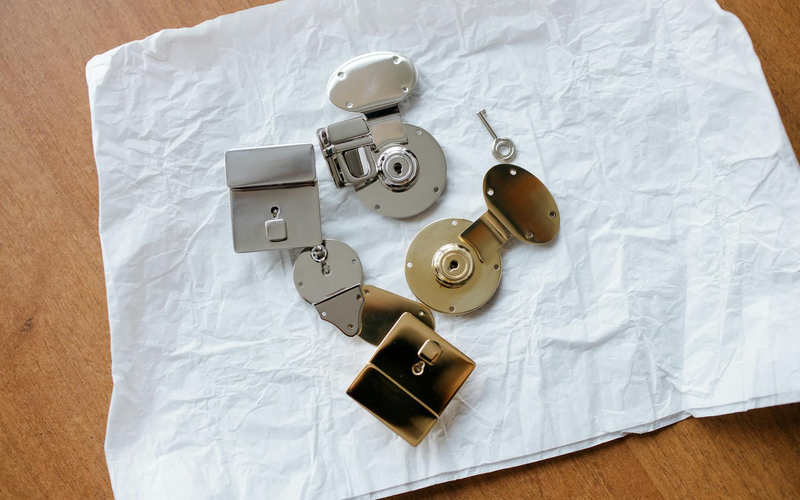
Spring Lock Maintenance: Fresh Start for Security
Spring is the perfect time for a comprehensive security audit and deep cleaning of all your locks. After winter's harsh conditions, your locks need attention to remove accumulated debris and assess any damage from freezing temperatures or moisture infiltration.
Start by inspecting all exterior locks for signs of rust, corrosion, or weather damage. Look closely at the keyhole, strike plate, and any exposed metal surfaces. Spring's arrival brings increased humidity and pollen in Winston-Salem, both of which can affect lock performance. Use a vacuum with a small attachment to remove pollen, dirt, and debris from keyholes and around lock mechanisms. This simple step prevents particles from working their way into the internal components.
Lubricate all locks with a graphite-based lubricant or a specialized lock lubricant—never use WD-40 or oil-based products, as these attract dust and can gum up mechanisms over time. Insert the applicator tip into the keyhole and apply a small amount, then insert and remove your key several times to distribute the lubricant throughout the mechanism. Don't forget to lubricate deadbolts, door hinges, and any moving parts of your security hardware.
Spring is also an excellent time to test all your keys. Make copies of any keys that are becoming worn or difficult to use—worn keys can break inside locks, leading to costly extraction services. If you notice any keys that require extra pressure or wiggling to work, have them replaced before they fail completely. Consider having your locks rekeyed if you've had contractor access during winter repairs or if you've recently moved into a property.
Check your door alignment carefully. Winter's freeze-thaw cycles can shift door frames, causing misalignment that stresses locks and makes them harder to operate. If your door drags, sticks, or requires lifting to lock properly, the frame may need adjustment. Proper alignment ensures your locks engage smoothly and maintain their full security potential.
Summer Lock Care: Beating the Heat and Humidity
Winston-Salem's humid summers present specific challenges for lock hardware. High humidity can cause rust and corrosion, particularly on exterior locks and gate hardware. Metal components expand slightly in heat, which can affect the fit and operation of precision mechanisms.
During summer months, increase your inspection frequency for exterior locks exposed to direct sunlight and rain. Look for signs of rust, particularly on less expensive hardware or locks that weren't designed for outdoor use. If you notice surface rust beginning to form, address it immediately with a rust remover and apply a protective coating designed for metal hardware.
Summer is an ideal time to upgrade to weather-resistant hardware if you're experiencing ongoing issues with exterior locks. Consider investing in locks with weather shields, covered keyholes, or solid brass or stainless steel construction that resists corrosion better than standard materials. Davis Locksmith of WS can recommend and install hardware specifically designed to withstand North Carolina's climate.
Moisture management becomes critical during humid summer months. If you have locks in particularly exposed locations, consider installing awnings or covers to protect them from direct rain exposure. For locks that do get wet, dry them thoroughly with a cloth and reapply lubricant as moisture can wash away protective coatings.
Vacation season brings additional security considerations. Before extended absences, test all locks thoroughly to ensure they're functioning properly—the last thing you want is to discover a faulty lock when trying to secure your home before a trip. Consider having a trusted neighbor or security service check your property, and ensure they have working keys or access codes. This is also a good time to review smart lock batteries and backup power options.
Don't overlook your vehicle locks during summer maintenance. Cars parked in direct sun experience extreme interior temperatures that can affect electronic lock systems and key fobs. Keep spare key fobs away from heat sources, and if you notice your car's locks responding slowly or inconsistently, have the system checked before a failure leaves you locked out in a parking lot.
Fall Lock Preparation: Getting Ready for Winter
Fall is your critical preparation season for winter's challenges. The maintenance you perform in autumn directly impacts how well your locks function during Winston-Salem's coldest months. Temperature fluctuations between warm days and cool nights can cause condensation inside lock mechanisms, leading to rust and, eventually, freezing issues.
Begin your fall maintenance with a thorough inspection of all weather stripping around doors. Damaged or worn weather stripping allows moisture and cold air to reach your locks, increasing the risk of freezing and corrosion. Replace any worn stripping to protect both your locks and your energy efficiency.
Clean and lubricate all exterior locks thoroughly before temperatures drop. Use a dry lubricant specifically designed for cold weather applications—graphite powder is excellent for this purpose. Apply it generously to all exterior locks, deadbolts, and any padlocks used on gates, sheds, or outdoor storage areas. This creates a protective barrier against moisture and ensures mechanisms continue moving freely even as temperatures approach freezing.
Inspect and tighten all screws and mounting hardware on doors, strike plates, and lock assemblies. Temperature changes cause materials to expand and contract, which can gradually loosen fasteners. A loose strike plate or door hardware compromises both security and functionality. Use a screwdriver to check and tighten all visible screws, but be careful not to overtighten, which can strip threads or crack fixtures.
Fall is the perfect time to address any locks that have been "a little sticky" or "kind of hard to turn." These minor annoyances can become major problems in winter when cold temperatures exacerbate existing issues. If a lock isn't operating smoothly, have it serviced or replaced before winter arrives. What takes a quick service call in pleasant fall weather might require an emergency visit during a cold snap.
Test your smart locks and electronic access systems thoroughly. Replace batteries in keyless entry systems, smart locks, and garage door openers. Cold weather significantly reduces battery life, and you don't want your electronic locks failing during a winter storm. Keep spare batteries on hand and know how to use mechanical backup keys for any electronic systems.
Winter Lock Protection: Preventing Freezing and Damage
Winter presents the most significant challenges for lock hardware in Winston-Salem. Freezing temperatures can cause locks to seize, keys to break, and mechanisms to fail. However, with proper preparation and quick response to problems, you can maintain reliable access throughout the coldest months.
The most common winter lock problem is freezing, which occurs when moisture enters the lock mechanism and then freezes solid. Prevention is always better than dealing with a frozen lock, so focus on keeping moisture out. Ensure all locks have adequate protection from rain, snow, and ice. For particularly exposed locks, consider installing temporary covers or shields during severe weather.
If you do encounter a frozen lock, never force your key, as this is the leading cause of keys breaking inside locks. Instead, warm your key with a lighter or match (carefully), then insert it gently into the lock. The warm key can transfer enough heat to melt internal ice. Alternatively, use a lock de-icer spray, which contains solvents that quickly melt ice without damaging the mechanism. Keep a small bottle in your car or bag during winter months.
Never use water to thaw a frozen lock, as it will simply refreeze and worsen the problem. Similarly, avoid blowing into the lock with your warm breath, as the moisture in your breath adds to the problem. If you cannot thaw the lock with gentle warming or de-icer, contact Davis Locksmith of WS rather than risk breaking your key or damaging the lock.
Winter is also hard on vehicle locks. Car door locks are particularly prone to freezing because moisture can enter when you wash your car or during rain that later freezes. Use a silicone spray designed for automotive use on your car's door locks and trunk locks. Apply it preventatively before cold weather arrives, and keep a de-icer in your pocket or purse rather than in your car where you can't access it when locked out.
Check your garage door locks and mechanisms regularly during winter. Garage doors are often neglected in terms of maintenance, but they're a common entry point for both legitimate users and potential intruders. Ensure your garage door opener functions properly, and manually test any backup locks or disconnect mechanisms. If your garage is detached, pay special attention to any padlocks, as these are highly susceptible to freezing.
Year-Round Maintenance Best Practices
While seasonal maintenance addresses specific challenges, certain practices should be part of your year-round security routine. These consistent habits prevent gradual degradation and ensure your locks provide reliable security in all conditions.
Clean your keys regularly, especially if they're used frequently or exposed to dirt, grime, or weather. Dirty keys gradually deposit debris into lock mechanisms, causing wear and eventual failure. Simply wiping your keys with a clean cloth periodically removes surface contaminants that could damage locks.
Avoid using excessive force with keys or locks. If a key doesn't turn easily, something is wrong—either the key is worn, the lock needs lubrication, or there's an alignment issue. Forcing it risks breaking the key or damaging internal components. Address resistance problems promptly rather than adapting to increasingly difficult operation.
Keep spare keys, but store them securely. Never hide keys under doormats, above door frames, or in obvious outdoor locations. These are the first places intruders check. Instead, leave spares with trusted neighbors or family members, or install a high-quality lockbox in a discreet location. Better yet, consider a smart lock system that eliminates the need for hidden keys entirely.
Document your lock inventory, including brands, models, and key codes when available. This information proves invaluable if you need replacement keys, want to rekey multiple locks to work with the same key, or need to quickly describe your hardware to a locksmith during an emergency. Take photos of all your locks and hardware, and store this information securely.
Schedule professional locksmith inspections annually, even if you're performing your own seasonal maintenance. Professional locksmiths can identify wear patterns, security vulnerabilities, and potential failures that aren't obvious to untrained eyes. An annual inspection is a small investment that prevents costly emergency services and enhances your overall security.
Common Lock Problems and When to Call a Professional
Even with diligent maintenance, locks eventually wear out or develop problems that require professional attention. Knowing when to attempt DIY solutions and when to call Davis Locksmith of WS saves time, money, and prevents damage to your security hardware.
Call a professional if your key breaks inside a lock. Extraction requires specialized tools and expertise—attempting to remove a broken key yourself often pushes it deeper or damages the lock mechanism. Professional locksmiths have extraction tools designed specifically for this situation and can typically remove broken keys quickly without damaging the lock.
If a lock has become so stiff or resistant that it requires significant force to operate, professional service is needed. This indicates internal wear, misalignment, or damage that cleaning and lubrication won't fix. Continuing to force a failing lock risks breaking keys or causing complete failure at the worst possible moment.
When locks no longer provide smooth, consistent operation despite cleaning and lubrication, the internal components may be worn beyond serviceable limits. Locks contain springs, pins, and tumblers that gradually wear with use. A professional can determine whether repair or replacement is the most cost-effective solution.
Any time you experience a break-in or attempted break-in, have all affected locks professionally inspected and replaced. Even if a lock appears to still function after tampering, internal damage may have compromised its security. Professional assessment ensures your security is fully restored.
If you're purchasing a previously owned home or business, professional rekeying is essential. You can never be certain how many copies of existing keys might be circulating. Professional rekeying or lock replacement ensures that only authorized individuals have access to your property.
Where to Get Keys Made in Winston-Salem
One of the most common locksmith questions we receive is about key duplication services. While many hardware stores and big-box retailers offer basic key copying, there are significant advantages to using a professional locksmith like Davis Locksmith of WS for your key duplication needs.
Professional locksmiths use precision equipment that creates accurate copies, ensuring they work smoothly in your locks without causing excessive wear. Poorly cut keys from automated kiosks or inexperienced operators can damage lock mechanisms, gradually wearing them down and eventually causing failure. When you need keys made in Winston-Salem, choosing a qualified locksmith protects your investment in quality hardware.
Certain keys cannot be copied without proper authorization or specialized equipment. High-security keys, restricted keyways, and patented key designs require verification of ownership before duplication. Additionally, some keys are marked "Do Not Duplicate," which reputable locksmiths honor to maintain security. If you need copies of specialized keys, a professional locksmith can verify your authorization and create accurate copies using appropriate equipment.
At our location at 115 S Main St, Winston-Salem, NC 27101, we offer comprehensive key duplication services for standard, high-security, and specialized keys. We maintain a large inventory of key blanks and have the equipment to duplicate virtually any key, from standard house keys to complex automotive keys with chip technology. Our experienced technicians ensure every key is cut precisely to manufacturer specifications for reliable, long-lasting performance.
Understanding Locksmith Service Costs
Another frequently asked question concerns locksmith service costs. While prices vary based on the specific service, complexity, time of day, and hardware involved, understanding typical pricing structures helps you budget appropriately and identify fair pricing.
For standard services during regular business hours, locksmith hourly rates typically range from $50 to $100, depending on the complexity of the work. Simple tasks like rekeying a lock or basic key duplication may have flat-rate pricing that's more economical than hourly rates. More complex services like installing high-security locks, programming smart locks, or extracting broken keys may require hourly billing.
Emergency services outside regular business hours—evenings, weekends, and holidays—typically include additional fees reflecting the locksmith's availability when most businesses are closed. However, emergency fees are worthwhile when you're locked out or facing a security issue that can't wait until morning. When you call Davis Locksmith of WS, we provide clear pricing information upfront so you can make informed decisions without surprise charges.
Factors affecting locksmith costs include the type of lock (standard, high-security, smart lock), the service required (installation, repair, replacement, rekeying), accessibility of the lock, and whether specialized tools or equipment are needed. A basic door lock rekey costs significantly less than programming a sophisticated electronic access control system.
The most cost-effective approach to locksmith services is preventative maintenance and prompt attention to minor issues before they become emergencies. An annual maintenance visit costs far less than emergency lockout service or replacing locks that failed due to neglect. By following the seasonal maintenance tips in this guide, you'll minimize the need for costly emergency services and extend the life of your hardware.
Smart Lock Maintenance and Modern Security Systems
As more Winston-Salem residents and